


Engineering-led sourcing
- Specification review
- Product selection
- Technical alternatives
- Sourcing advice
Substations, transformers and power distribution networks for industrial, commercial, energy and infrastructure facilities.
Supporting MEP contractors, EPC companies, construction firms and industrial facilities across Nigeria.
We handle the sourcing and supply of electrical, mechanical, plumbing, HVAC and associated installation materials, backed by BOQ / MTO procurement support, delivery coordination and checks against project specifications.
 Electrical
 Mechanical
 HVAC
 Plumbing


The brands we partner with.






Through reliable procurement, sourcing and supply of electrical and industrial materials.
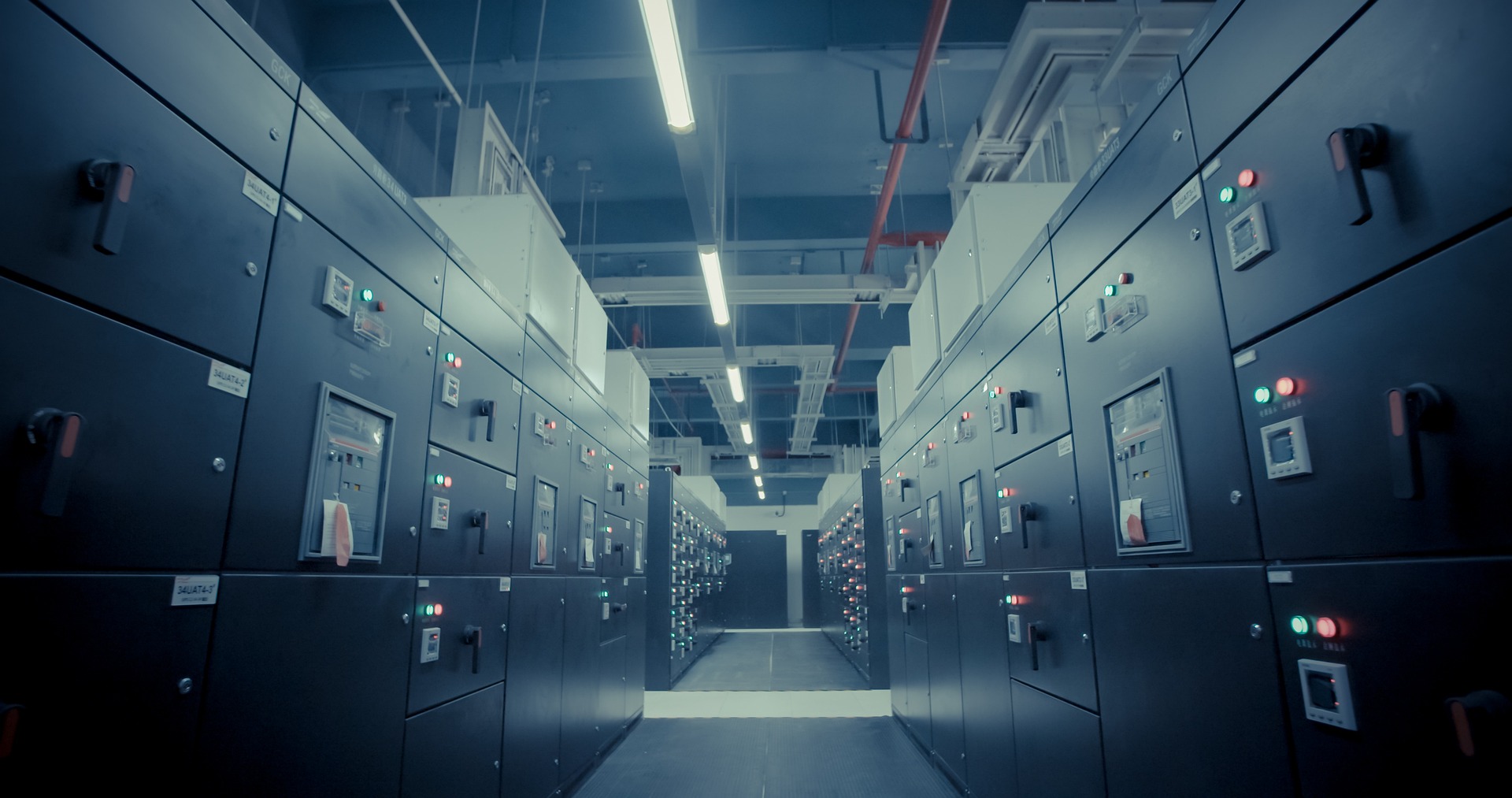
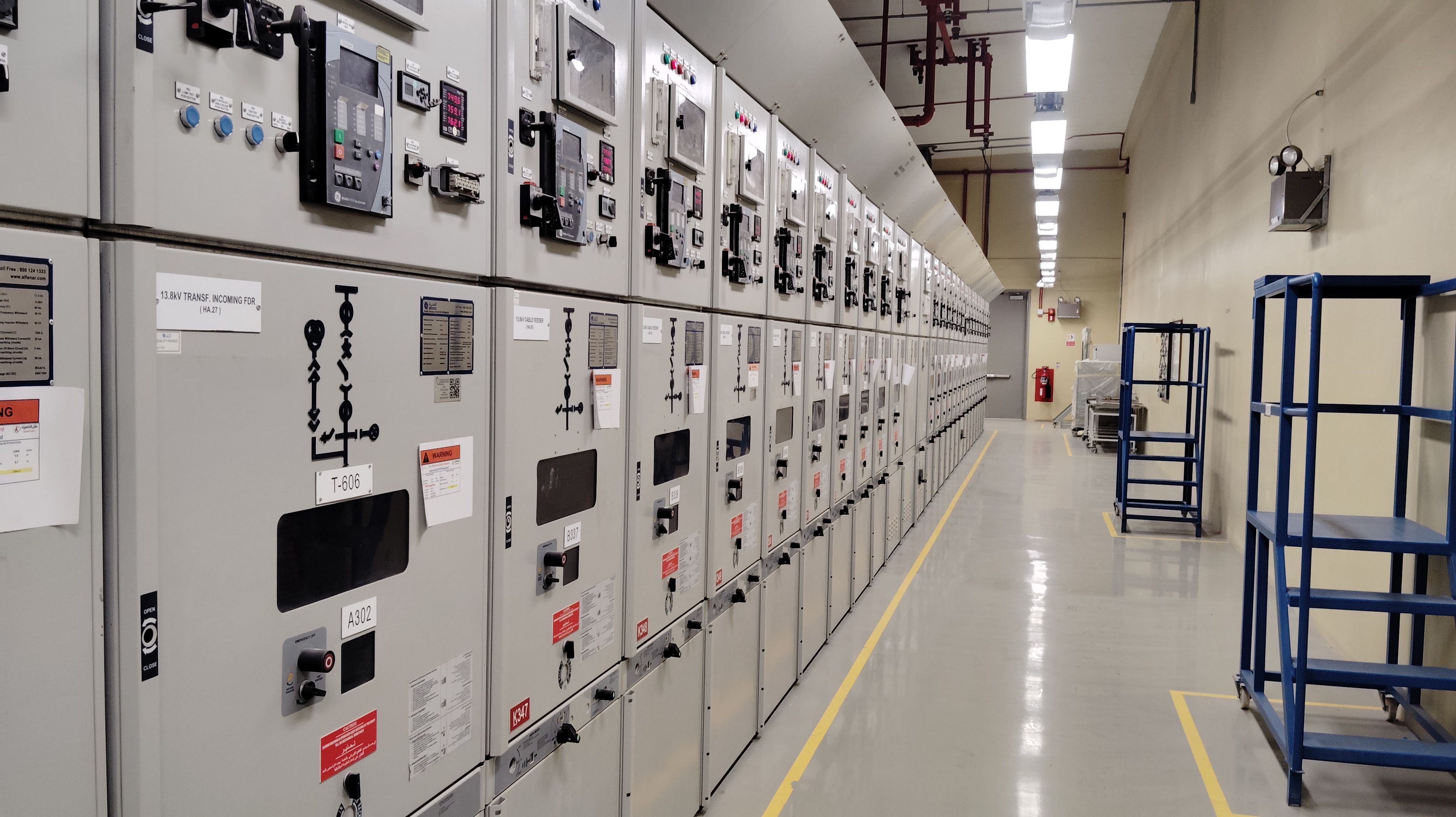
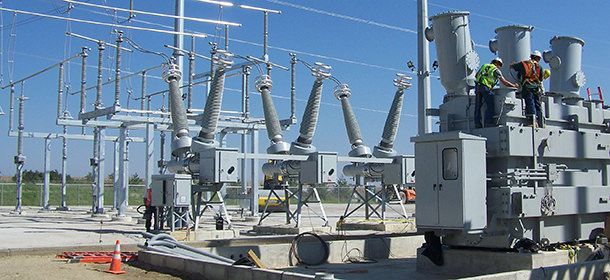
A clearer view of the practical support behind our procurement and supply approach.
Our focus is helping MEP contractors and industrial clients source suitable installation materials and consumables through a clear, practical procurement process.
BOQ, MTO, datasheets and project priorities
Specifications, quantities and technical suitability
Manufacturers, distributors and commercial options
Documents, vendor follow-up and delivery
Clarifications and post-order communication
Review the Bill of Quantities (BOQ), Material Take-Off (MTO), equipment datasheets, preferred brands, required quantities, schedules and delivery location.
Assess sizes, material grades, ratings, dimensions, compatibility and applicable project requirements. Identify technical clarifications before quotation.
Output: a clear, traceable material enquiry aligned with the project specification.
Find relevant manufacturers, distributors and material vendors.
Request pricing, lead times and supply conditions for specified items.
Compare offered product specifications, documentation and proposed alternatives.
Clarify price, delivery terms, quantities and purchasing requirements.
Alternatives are proposed for client review — never silently substituted.
Technical understanding informs material sourcing.
BOQ/MTO review, vendor coordination and procurement support.
Attention to agreed standards and documentation.
Compare suitable offers and approved alternatives.
Clear vendor communication and delivery planning.
Responsive follow-up and transparent communication.

We provide engineering, procurement, installation and technical support for electrical, mechanical and associated MEP systems, with a focus on safe, reliable and standards-compliant project delivery.
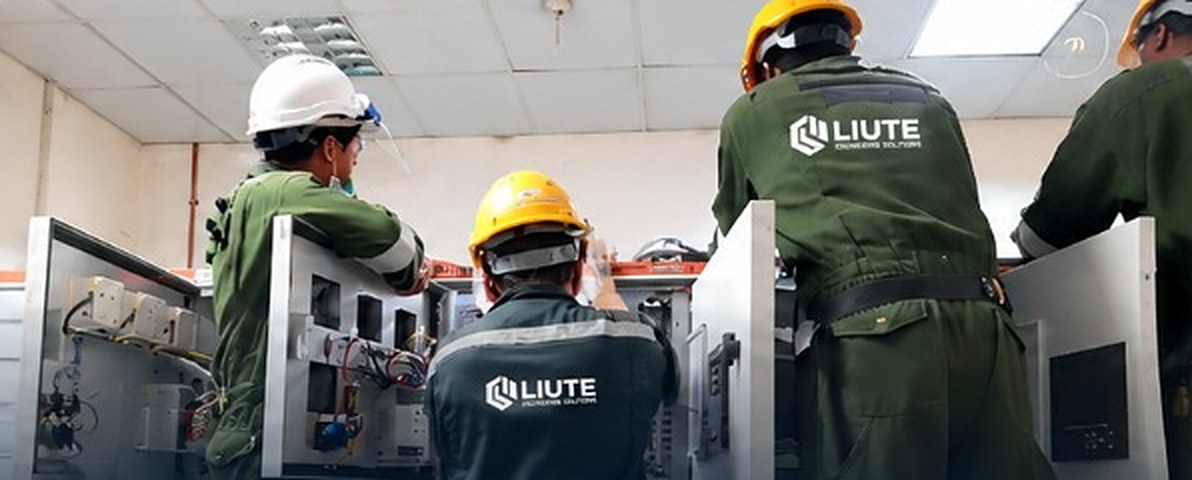
LV / MV systems, switchgear, panels, cabling, installation, testing and commissioning.
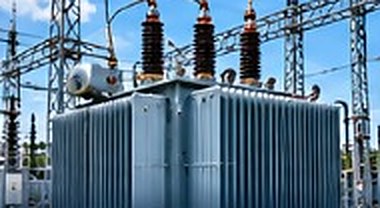
Design support, supply, installation and integration of substation and transformer systems.
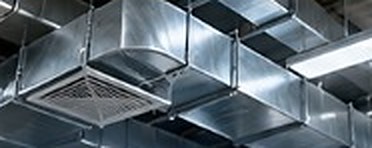
Ventilation, air-conditioning and mechanical support systems.
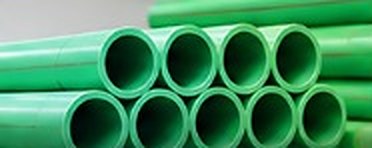
Water supply, drainage and plumbing installation materials.
Requirements & standards
Method & hazard analysis
Select, verify, deliver
Install under supervision
Verify before energising
Records & as-builts
 Illustrative imageLIUTE project photo
Protecting people, materials and project integrity.
A safety-conscious approach to the supply, handling and delivery of MEP installation materials and consumables, with focus on risk control, specification accuracy and proper project documentation.
Assess and control risks across material handling, storage and delivery.

Safe, controlled handling, lifting and movement to prevent damage and injury.

Confirm materials, ratings and technical specifications against project requirements.
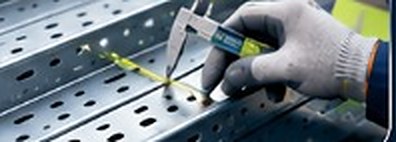
Proper packaging, secure transport and timely delivery to project sites.

Structured delivery records and material documentation for project traceability.

Install. Test. Hand over.


Cables, panels, switchgear, lighting
Transmitters, gauges, valves
Cabinets, cabling, field devices
Pipes, flanges, fittings
Sourcing, inspection, delivery
 Illustrative imageLIUTE project photo
A competent, well-coordinated electrical workforce with proven experience in industrial, commercial and energy projects. Personnel are deployed by task-specific competence, so the right skills are applied at every stage of execution.
Answers on MEP design, coordination, cabling, backup power, HVAC and water supply, and how LIUTE supports your project.
Ask an engineerLIUTE supports electrical projects across industrial, commercial, energy and infrastructure facilities, covering LV and MV systems, substations and transformers, MCCs, control panels, cabling, earthing and lightning protection, and lighting.
Yes. Supply covers electrical, instrumentation, telecoms, mechanical and pipeline categories, with vendor sourcing, technical compliance checks, cost comparison, inspection and delivery coordination.
Yes. LIUTE tests and commissions systems and hands them over with documentation, test records and as-built information.
A description of the scope, the type of facility, the systems involved, any applicable standards or specifications, and your target timeline. Drawings or specifications help; send them after first contact.
Space is the main constraint. Risers, shafts, ceiling voids and plant rooms must carry electrical, HVAC, plumbing and fire services together, so routes compete for the same room. Other recurring challenges are vertical distribution (voltage drop on long feeders, pressure zoning, stack and duct sizing), heavy and changing loads, fire and life-safety requirements, plant noise and vibration, and keeping the design aligned with architectural and structural drawings as they change.
Early coordination between disciplines keeps most of these manageable. LIUTE supports the electrical side through engineering and EPC services.
Conflicts are found by overlaying every discipline's drawings in one coordinated model, ideally with BIM-based 3D clash detection, and by holding regular coordination reviews. Each clash is logged, assigned to the responsible discipline and resolved by priority: gravity-drained pipes and large ducts usually get first choice of route, then cable containment and smaller services, while keeping the required access and clearances. The resolved routes are then issued as coordinated drawings before procurement and installation.
Checking the BOQ and MTO against those drawings and specifications catches quantity and specification mismatches too, which is what LIUTE's BOQ/MTO review is for.
Clashes found on site instead of in design mean rework: containment cut and re-laid, pipes and ducts relocated, materials re-ordered. That adds labour and material cost, idle crews and a later handover, and it disturbs other trades' work, which compounds the delay. Late changes to specifications also hold up procurement when materials have long lead times, and unresolved issues can surface again during testing and commissioning.
Settling routes, specifications and quantities before ordering is far cheaper than fixing them after installation. That is why LIUTE combines technical procurement with project coordination; see our services.
Plan containment (trays, ladders, trunking and conduit) in the coordinated model so cable routes have reserved space instead of being squeezed in later. Segregate power, control, instrumentation and data cables, size trays for the cable count plus future expansion, and apply the grouping and derating factors that come from installing cables close together or in enclosed spaces. Where horizontal space is tight, use risers and multi-tier trays, keep bending radii and support spacing within manufacturer and standard limits, and label every cable for maintenance.
LIUTE supplies and installs cable systems and termination and supports sizing through load calculation and cable sizing.
Start with which loads are critical and must be backed up (life safety, lifts, fire pumps, IT, process) and which are not. Then size the generator or UPS for total and starting demand, including motor starting and future growth, and decide the transfer arrangement (ATS or paralleling switchgear) and the transfer time each load can tolerate. Also consider UPS autonomy and battery ventilation, generator fuel storage, runtime, exhaust and ventilation, protection and discrimination so a fault does not take down the backup source, and space, noise, maintenance access and on-load testing.
The design must follow the applicable local regulations and standards, such as IEC, BS or client-specific requirements. LIUTE's work in LV and MV power systems and power distribution and control panels covers the switchgear, panels and cabling these systems depend on.
High cooling and ventilation loads from glazing, occupancy and equipment; routing large ducts, chilled-water pipes and risers through limited shaft and ceiling space; stack effect and pressure differences that affect air balance, smoke control and door operation; zoning for varied occupancy and orientation; plant location with its noise and vibration; and static-pressure limits on chillers and pumps at height. Smoke-control integration, controls and final balancing matter as much as equipment selection.
On the supply side, LIUTE sources HVAC materials and checks BOQ and MTO quantities against the specification; see industrial MEP materials supply.
Reduce the load first: better envelope, glazing and shading, efficient lighting and equipment, and equipment sized from accurate load calculations instead of rules of thumb. Then choose high-efficiency chillers, VRF or air-handling units, use variable-speed drives on fans and pumps, and add heat recovery on ventilation. Controls add a lot: zoning, demand-controlled ventilation, scheduling, set-point reset and BMS monitoring. Cut distribution losses with well-sized, sealed and insulated ducts and pipes, and commission and rebalance the system so it performs as designed.
The electrical supply benefits from the same discipline: accurate demand figures avoid oversized feeders and transformers. See LIUTE's electrical load calculation and power assessment.
Managing water pressure from floor to floor (too high at the bottom, too low at the top); sizing drainage stacks and venting so traps do not siphon; thermal expansion and hot-water circulation; noise and vibration in risers; fire-rated penetrations and sleeves; accessible isolation valves and cleanouts; and coordinating routes with structure and other services. Water hammer, leaks and backflow protection also need attention, and materials must suit the water quality and pressure class.
LIUTE supplies pipes, valves and fittings and reviews BOQ and MTO quantities against specifications; see industrial MEP materials supply.
By dividing the building into pressure zones so no floor receives too little or too much pressure. Upper floors are fed by variable-speed booster pump sets or by gravity from roof tanks, while pressure-reducing valves keep lower floors within allowable limits. A typical arrangement uses a ground or underground tank, duty and standby booster pumps with pressure control, and roof tanks for the upper zones. Keep pipe sizes and velocities appropriate to limit pressure loss and noise, and provide standby pumps for reliability.
The pumps depend on electrical power, so the motor starters, control panels and a backup supply need planning from the start. These are within LIUTE's power distribution and control panel capability.
General guidance only. Final designs must follow the applicable codes, standards and project specification.
